


ممنوعيت و اخراج یک معلم عرب أحوازی از تدریس در شهر خود
تشرين1/أكتوير 08, 2013اداره آموزش و پرورش شهر سوس یکی از معلمان أحوازی را از کار در شهر خود محروم کرده و آن را به شهر دیگری انتقال داده است.
پیش ازاین،این معلم به روش تدریس وبکار گیری 100معلم جدید غیر بومی در این شهر اعتراض کرده بود
با توجه به اینکه این شهر دارای صد هاتن ازجوانان عرب با مدارک تحصیلی لیسانس و فوق لیسانس مي باشد اما اداره آموزش و پرورش شهر سوس اقدام به استخدام بيش از100 نفر از افراد غير بومي نموده.
لازم به ذكر است كه اين معلمان در مقطع ابتدائي بکار گرفته شده اند كه اين امر اثرات منفي و زيان باري را در ميان كودكان دبستاني عرب أحوازي خواهد داشت. و ان بدين جهت است كه فهم و درك زبان فارسي براي اين كودكان امري دشوار و غير ممكن است كه نتيجه ان تاكنون ترك تحصيلي بيش از 30 در صد از اين كودكان مي باشد.
سازمان أحوازي حقوق بشر
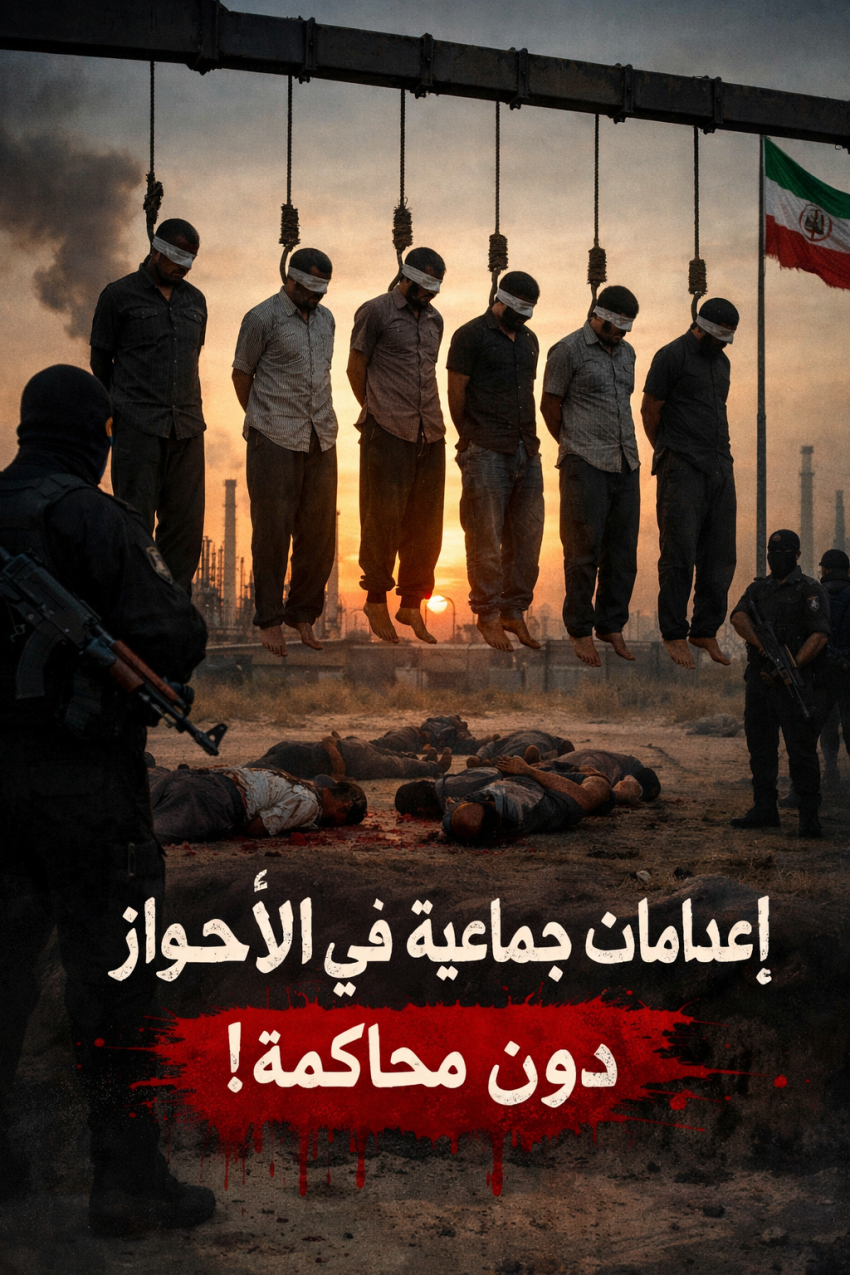
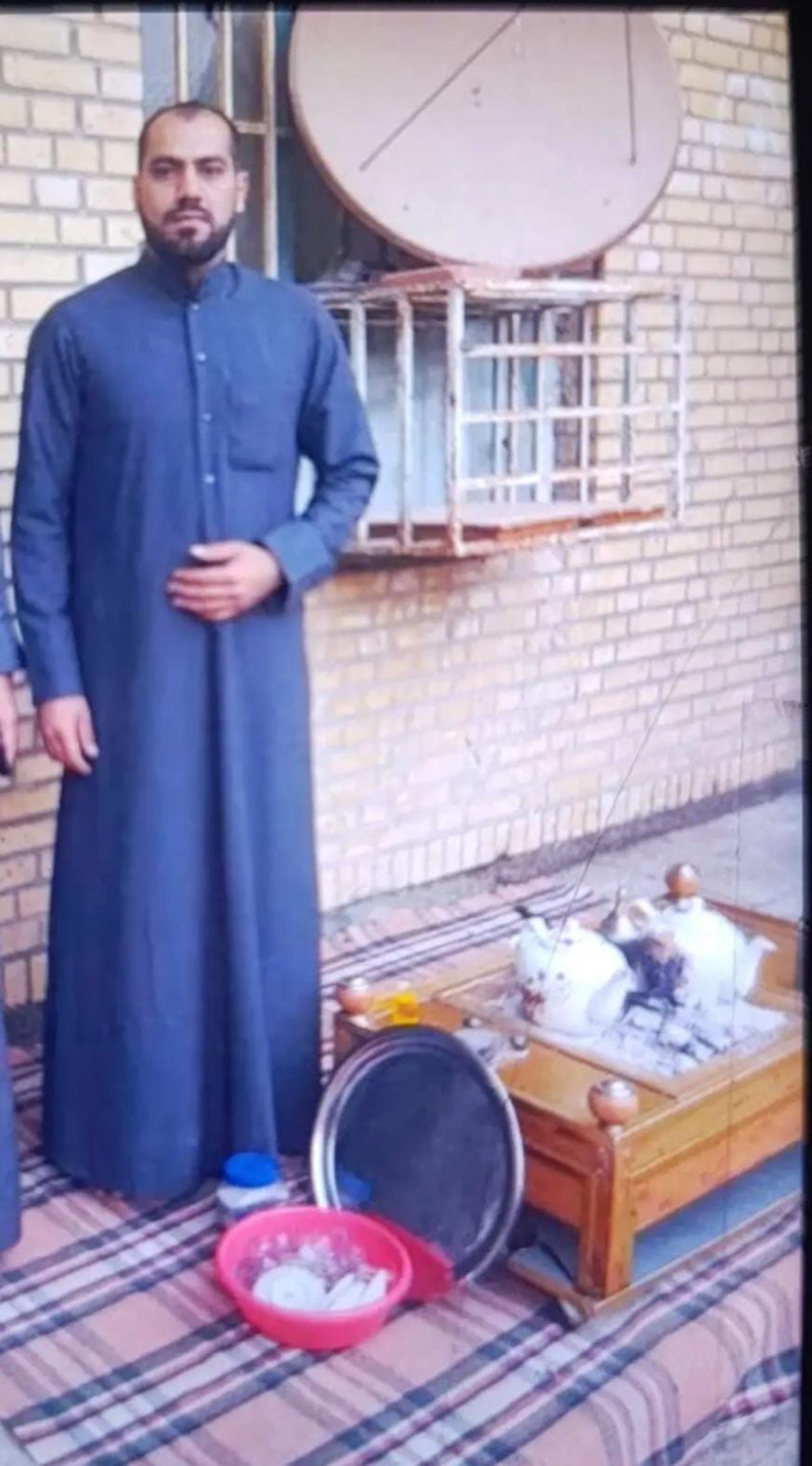
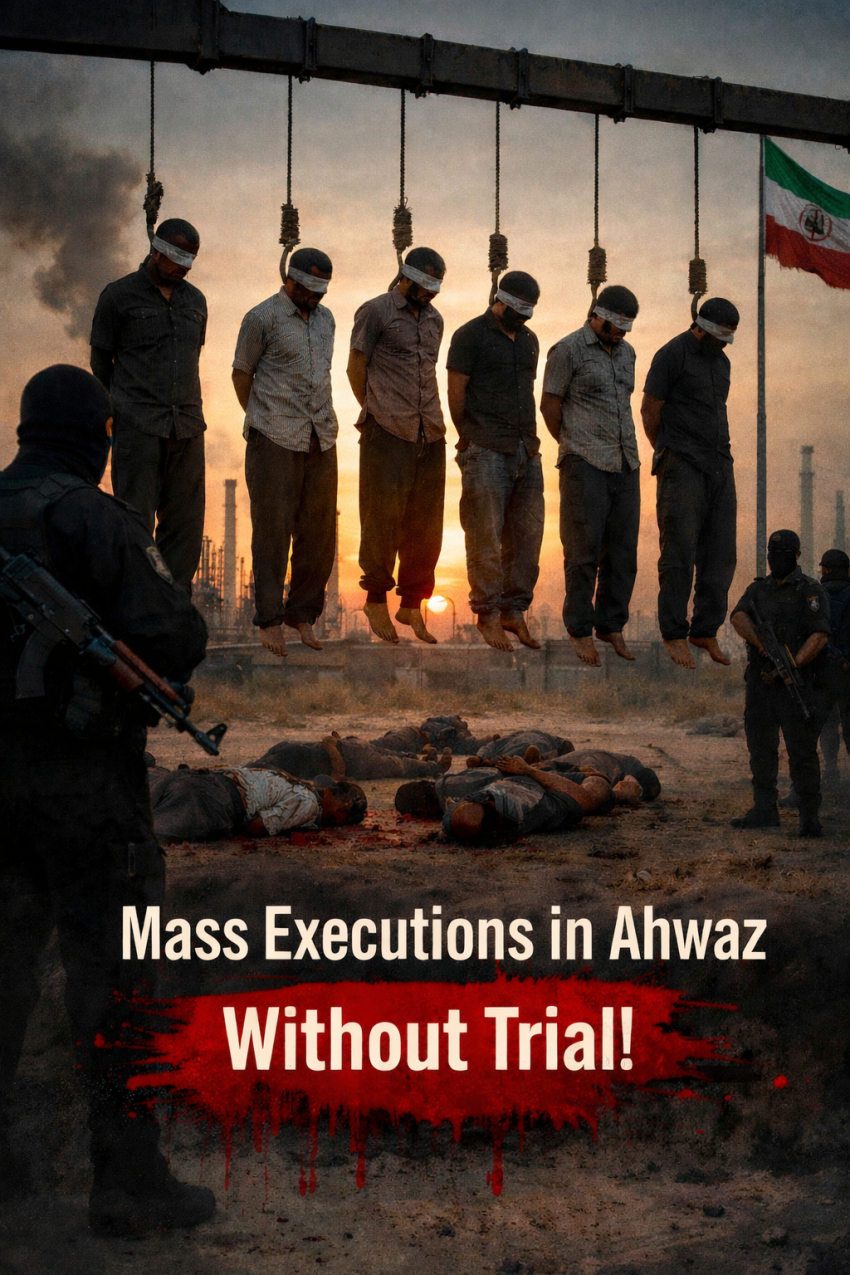
إعدام المواطن الأحوازي جمعة علواني صباح اليوم في سجن كارون
تشرين1/أكتوير 06, 2013علمت مصادر المنظمة الأحوازية لحقوق الإنسان ان السلطات الايرانية نفذت صباح اليوم حكم الإعدام على المواطن الأحوازي جمعة علواني في سجن كارون .
و قد اعتقل جمعة علواني منذ ستة شهور و حكم عليه بالإعدام حتى يتم تنفيذ الحكم عليه اليوم الأحد الموافق ل 6 اكتوبر لعام 2013.
جمعة علواني هو متزوج و لديه اولاد و احفاد و يبلغ من العمر 58 عامأ ؛كان ساكنأ في احدى القرى التابعة لمدينة السوس الأحوازية حتى قبل اكثر من عام و من ثم انتقل للعيش في حي الثورة في الأحواز العاصمة.
و لم تتأكد المنظمة الأحوازية بعد من التهمة التي وجهتها السلطات الايرانية الى جمعة علواني .
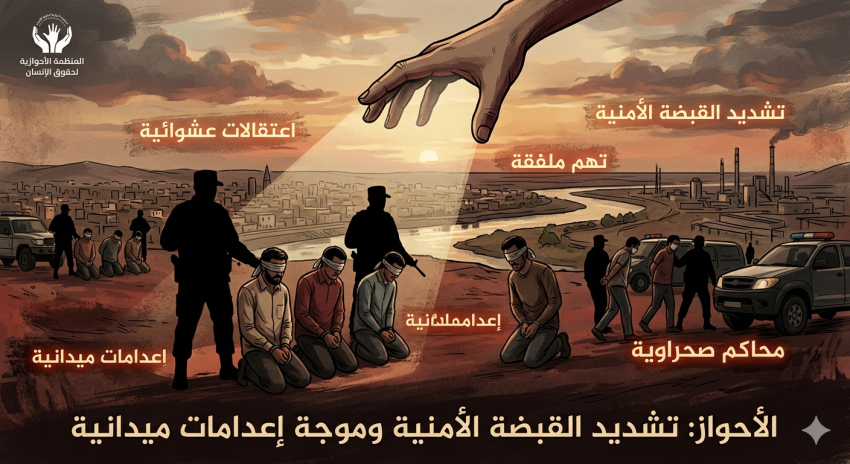
و تدين المنظمة الأحوازية لحقوق الإنسان تنفيذ جريمة الإعدام بحق السجناء الأحوازيين،كما تطلب من المنظمات الإنسانية و على رأسها مجلس حقوق الإنسان التابع للامم المتحدة و المنظمات الإنسانية العالمية الحكومية و غير الحكومية بالضغط على السلطات الايرانية لانهاء تنفيذ جريمة الإعدام بحق السجناء.
المنظمة الأحوازية لحقوق الإنسان
Amnesty International:Document - Iran: Ahwazi Arab men at risk of imminent execution
تشرين1/أكتوير 05, 2013UA: 280/13 Index: MDE 13/040/2013 Iran Date: 4 October 2013
URGENT ACTION
Ahwazi Arab men at risk of imminent execution
Ghazi Abbasi, a member of Iran’s Ahwazi Arab minority has been transferred to solitary confinement sparking fears that his execution may be imminent. He is believed to have been tortured or otherwise ill-treated while in detention.
On 27 September 2013, Ghazi Abbasi, an Ahwazi Arab man on death row, was transferred from his cell to solitary confinement in Karoun Prison,in Khuzestan,. He is at imminent risk of execution as death row inmates in Iran are usually put in solitary confinement immediately prior to the implementation of their sentences.
Ghazi Abbasi, along with three other men, Abdul-Reza Amir-Khanafereh, Abdul-Amir Mojaddami, and Jasim Moghaddam Payam were sentenced to death on 15 August 2012 by Branch One of the Revolutionary Court of Ahvaz for the vaguely worded charges of “enmity against God” (moharebeh) and “corruption on earth" (ifsad fil-arz). The charges related to a series of shootings that allegedly led to the deaths of a police officer and a soldier. On 13 February 2013, Branch 32 of the Supreme Court upheld the four death sentences which could be implemented at any time.
All four men have denied any involvement in the shootings, stating that their “confessions” were obtained under torture and other ill-treatment which they reportedly recanted in court. However their claims of torture have not been investigated either by the Revolutionary Court of Ahvaz or the Supreme Court.
Please write immediately in Persian, Arabic, English or your own language:
Urging the Iranian authorities not to execute the four men sentenced to death (please name them) and order re-trials for all of the men in proceedings which comply with international fair trial standards and without recourse to the death penalty, and to commute all death sentences in Iran;
Urging the authorities to effectively investigate the allegations that the men were tortured and otherwise ill-treated and disregard as evidence in court any “confessions” that may have been obtained under torture;
Calling on the authorities to ensure the men are protected from torture and other ill-treatment; are granted all necessary medical treatment; and are allowed immediate and regular contact with their lawyers and families.
PLEASE SEND APPEALS BEFORE 15 NOVEMBER 2013 TO:
�
Leader of the Islamic Republic
Ayatollah Sayed ‘Ali Khamenei�The Office of the Supreme Leader�Islamic Republic Street – End of Shahid�Keshvar Doust Street, �Tehran, Islamic Republic of Iran�Email: عنوان البريد الإلكتروني هذا محمي من روبوتات السبام. يجب عليك تفعيل الجافاسكربت لرؤيته. �Twitter: @khamenei_ir
Salutation: Your Excellency
Head of the Judiciary
Ayatollah Sadegh Larijani
c/o Public Relations Office
Number 4, 2 Azizi Street intersection
Tehran, Islamic Republic of Iran
Email: عنوان البريد الإلكتروني هذا محمي من روبوتات السبام. يجب عليك تفعيل الجافاسكربت لرؤيته. (Subject line: FAO Ayatollah Sadegh Larijani)
Salutation: Your Excellency
And copies to:
Secretary General High Council for Human Rights
Mohammed Javad Larijani�c/o Office of the Head of the Judiciary�Pasteur St, Vali Asr Ave
South of Serah-e Jomhouri�Tehran, Islamic Republic of Iran �Email: عنوان البريد الإلكتروني هذا محمي من روبوتات السبام. يجب عليك تفعيل الجافاسكربت لرؤيته. (Subject line: FAO Mohammad Javad Larijani)�
Also send copies to diplomatic representatives accredited to your country.
Please check with your section office if sending appeals after the above date.
�
URGENT ACTION
Ahwazi Arab men at risk of imminent execution
ADditional Information
All four men were arrested, along with three others, at about the same time in 2009. They were held in solitary confinement in the Ministry of Intelligence detention centre in Ahvaz for months without any access to a lawyer or their families.
Their trial by a Revolutionary Court took place behind closed doors and lasted less than two hours. The court found that the defendants had established a “separatist ethnic” group that “used weapons and engaged in shooting in order to create fear and panic and disrupt public security”. The judgment primarily relied on the tainted “confessions” of the defendants which they retracted during the trial saying that they had been extracted under torture.
The three other accused men, Shahab Abbasi, Sami Jadmavinejad, and Hadi Albokhanafarnejad, were sentenced to three years imprisonment to be served in internal exile in Ardebil Prison, north-west of Iran, for their alleged limited involvement in the shootings.
Both the lower court and Supreme Court judgements have acknowledged that some of the defendants retracted their “confessions” in court, saying they had been extracted under torture or other ill-treatment. However, both courts failed to order an investigation into the allegations of torture.
The Ahwazi Arab minority is one of many ethnic minorities in Iran. Much of Iran's Arab community lives in the south-western province of Khuzestan. Most are Shi’a Muslims but some are reported to have converted to Sunni Islam, heightening suspicions by the Shi’a-led government about Ahwazi Arabs. Minority members often report that they are marginalized and subject to discrimination in access to education, employment, adequate housing, political participation and cultural rights.
In his March 2013 report, Dr. Ahmed Shaheed, the United Nations Special Rapporteur on the situation of human rights in Iran, expressed concerns about the arrest, detention, and prosecutions for peaceful activities of members of the Ahwazi Arab community that called for social, economic, cultural, linguistic and environmental rights. He further raised concerns about the frequent reports of lack of due process and the use of incommunicado detention as well as torture and other ill-treatment.
Under Article 38 of the Iranian Constitution and Article 9 of the Law on Respect for Legitimate Freedoms and Safeguarding Citizens’ Rights, all forms of torture for the purpose of obtaining “confessions” are prohibited. Iran’s Penal Code also provides for the punishment of officials who torture citizens in order to obtain “confessions”. However, despite these constitutional and judicial guarantees regarding the inadmissibility of testimony, oath, or confession taken under duress, forced “confessions” are generally accepted as evidence in Iranian courts and are sometimes broadcast on television even before the trial has concluded.
The death penalty is used extensively in Iran. Officially, so far 281 executions have been acknowledged by Iranian authorities for 2013 but reliable sources have reported at least 200 additional executions during the year. Despite the release of a number of political prisoners ahead of Iran’s new President Hassan Rouhani’s speech at the United Nations General Assembly there have been no indications that his election in June 2013 has led to changes in Iran’s reliance on the death penalty.
Amnesty International is opposed to the death penalty in all circumstances without exception. It is a violation of the right to life as enshrined in the Universal Declaration of Human Rights, and the ultimate cruel, inhuman and degrading punishment.
Name: Ghazi Abbasi, Abdul-Reza Amir-Khanafereh, Abdul-Amir Mojaddami, Jasim Moghaddam
Gender m/f: all m�
UA: 280/13 Index: 13/040/2013 Issue Date: 4 October 2013

The execution of an AlAhwazi prisoner on Monday at Karoon prison
أيلول/سبتمبر 18, 2013The AlAhwazi human rights sources have reported that the Iranian authorities on Monday September 16th, 2013 at noon implemented the death penalty against Mr.Ali Zarghani for his crimes after 5 years of prison at Karoon Prison.
The organization still has not confirmed the official charges made against the prisoner for his execution by the Iranian Revolutionary court.
The prisoner was a residence of AlZarghan a district of AlAhwaz.
The AlAhwazi Organization for Human Rights (A.O.H.R.)

اعدام سجين أحوازي في سجن كارون يوم امس الاثنين
أيلول/سبتمبر 17, 2013افادت مصادر المنظمة الأحوازية لحقوق الإنسان قبل ساعات ان السلطات الايرانية قامت يوم امس الاثنين الموافق 16.09.2013 و على رأس الساعة 12 ظهرأ بتفيذ جريمة حكم الإعدام ضد السجين علي زرقاني في سجن كارون بعد ماقضي خمسة اعوام في سجن كارون .
ولم تتأكد بعد المنظمة عن الاسباب و التهم التي وجهة الى المحكوم عليه من قبل محكمة الثورة الايرانية بالاضافة الى طريقة المحاكمة.
يذكر ان السجين هو من سكان مدينة الزرقان التابعة لمدينة الأحواز العاصمة.
المنظمة الأحوازية لحقوق الإنسان
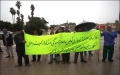
The protest by the AlAhwazi workers to their 33 months of unpaid salaries
أيلول/سبتمبر 15, 2013The recent protest by dozens of AlAhwazi workers at the second largest sugar refinery plant to their 33 months of unpaid salaries. The company had previously declared bankruptcy in 1999, but after 1 year it was once again able to restart its operation and call back some of its workers back to work.
The company after the declaration of bankruptcy had taken the action to lay off about 217 its workers, but it has still not been able to fulfill its commitment and obligations toward the salary payments of more than 60 retired employees.
The workers despite numerous peaceful protests to their unpaid salaries and various correspondences to the Iranian government authorities still have not succeeded in receiving any results about their rightful claims.
The lands of AlAhwaz are known to be resourceful and suitable for the agriculture of rice, wheat and vegetables which are considered inevitable to fight the hunger in the third world countries. The government of Iran despite such facts has attempted to seize more than 900,000 hectares of the fertile agricultural land for the growth of sugar cane and the governmental building constructions.
The various economists experts have confirmed that the land of AlAhwaz are not suitable for the agriculture of sugar can , and such actions by the government of Iran have only resulted in the serious and irreparable financial and environmental damages to the resourceful land of AlAhwaz. The political activists also believe the actions of sugar agriculture by the government of Iran were only a political decision to force demographical changes in the AlAhwaz province.
The AlAhwazi Human Rights Organization (A.H.R.O.)
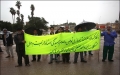
عمال أحوازيون يتظاهرون لعدم دفع رواتبهم منذ 33 شهرأ
أيلول/سبتمبر 15, 2013تظاهر العشرات من عمال ثاني اكبر شركة للسكر في الأحواز لعدم الحصول على رواتبهم بعد مضي ثلاثة و ثلاثين شهرأ منذ تسريحهم من تلك الشركة التي اعلنت افلاسها في عام 1999 و لكنها احتفظت ببعض من العمال الى اكثر من عام بعد افلاسها.
وقد سرحت هذه الشركة 217 عاملأ منذ اعلان افلاسها الا انها لم تف بعد بتعهداتها لدفع رواتبهم هذا بالاضافة الى رواتب اكثر من 60 عاملأ من المتقاعدين.
و بالرغم من الاحتجاجات المتعددة و ارسال العشرات من الرسائل الى الجهات القانونية و الحكومية الايرانية التي نظمها هؤلاء العمال الا انها لغاية هذه اللحظة لم تحقق اي تقدمأ بل باتت جميعها بالفشل.
و تعتبر الاراضي الأحوازية هي صالحة لزراعة القمح و الأرز و الخضروات و هذا مايحتاجه عالمنا الثالث لمكافحة المجاعة الا ان السلطات الايرانية قامت بالاستيلاء على اكثر من 900 الف هكتار من الاراضي الزراعية الخصبة بهدف زراعة قصب السكر و بناء المستوطنات.
يذكر ان العديد من الخبراء الاقتصاديين يعتبرون ان الاراضي الأحوازية هي غير صالحة تمامأ لزرع قصب السكر و ان كل ما انفق على هذا المشروع كل ما ازدادت الخسائره و اضراره المادية و البيئية.و في السياق نفسه يرى البعض الاخر من الخبراء السياسيين ان مشروع قصب السكر هو غطاء للسياسة الايرانية التي تستهدف التركيبة السكانية في الأحواز.
المنظمة الأحوازية لحقوق الإنسان
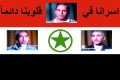
The breaking news: The Iranian Judiciary sentenced the two of AlAhwazi citizens to a death sentence and the third prisoner sentenced to an exile in Yazd city’s prison
أيلول/سبتمبر 14, 2013The AlAhwazi human rights organization in an urgent news reported the government of Iran has issued a death sentence for two AlAhwazi prisoners, while the third prisoner named Salman Chayan AlKaebi was sentenced to an exile for a 25 years prison term in the City of Yazd.
The second division of Iranian Revolutionary court at the city of AlAhwaz in an unjustifiable and closed court session headed by Judge Mohammad Bagher Mousawi sentenced the two Arab AlAhwaz citizens to death with the charges of the enmity with god and his messenger the prophet Mohammad, and a breach to the Iran’s national security.
The sentences were approved a few days ago in an unjustifiable and closed court session for the following AlAhwazi prisoners:
1- Ali Chebishat (AlKaebi) was sentenced to death for the charges of the enmity with god and his messenger the prophet Mohammad, and also the breach to the Iran’s national security. The prisoner was born on October of 1966 and is married with nine children, a residence of the Kaeb Khalaf Almoslem village on the district of Shoosh city. He was arrested after a raid on his house by a group of masked men working under the authority of Iranian Intelligence service.
2-Seied Yasin Mousavi was sentenced to death for the charges of the enmity with god and his messenger the prophet Mohammad, and also the breach to the Iran’s national security. He is 34 years old, married with two children and his home was also raided on November 11th, 2012 and transferred to an unknown location by the Iranian security forces.
3-Salman Chayan(AlKaebi) was sentenced to a 25 years prison term in the city of Yazd , about 842 kilometers away from the city of AlAhwaz. He is 32 years old, married with one child and a member of the Youth Cultural Foundation. He was a residence of the Kaeb Khalaf Almoslem village on the district of Shoosh city. He had also previously served a 2 years prison term for his cultural heritage activities.
The sources have added that the families of the prisoners have been verbally informed of the verdicts by the court, but still have not received any official and written confirmation of the sentence.
The numerous attempts to provide a defense lawyer for the prisoners have not been successful and the Iranian authorities have refused such request by the families of the prisoners.
The prisoners were all arrested on November 11th, 2012 during a raid on their homes by the unknown masked men under the authority of the Iranian Intelligence Service at the Kaeb Khalaf Almoslem village on the district of Shoosh city. The prisoners were immediately transferred to unknown prison locations by the Iranian Intelligence Services of the city of Shoosh with no visitation rights to see their families and children.
The English language Press TV of Iran on Wednesday June 26th, 2013 broadcasted a forced confession by the three prisoners to their crimes; the prisoners had previously rejected their charges made by the Iranian government during their court appearance. The court judge Mohamad Bagher Mousavi sentenced two of prisoners to death and a third prisoner to a 25 years prison term in the city of Yazd.
The three prisoners have been on a hunger strike since July 4th, 2013, in a protest to their sentence and are facing serious physical and psychological torture while being prevented from having a defense lawyer or any visitation rights.
The E.U. in a decision on March 12th, 2013 had approved new sanctions against two of the Iranian Justice officials for their human rights violations, and includes the freeze of their bank accounts and restrictions against their travels rights to the E.U. Countries. The Iranian Justice officials are Judge Mohamad Bagher Mousavi the chairman of the Revolutionary court’s second branch and also Judge Morteza Kiasaty in charge of the Revolutionary court’s fourth branch.
The AlAhwazi human rights organization condemns the holding of such non-public courts sessions and the unjustifiable sentences for the three AlAhwazi prisoners. We are also demanding all the humanitarian organizations, governmental and non-governmental organizations and most importantly the United Nations Human Rights Council, the Amnesty International, Human Rights Watch and the Human Rights Commission of the E.U. Parliament for their urgent actions in order to pressure and prevent the Iranian government authorities from such unjustifiable verdicts in order to save the lives of the innocent AlAhwazi prisoners.
The two AlAhwazi prisoners sentenced to death on Monday were transferred to the AlGhanitereh prison few hours ago.
The AlAhwazi Human Rights Organization (A.H.R.O.)
الفصل التاسع من ميثاق الامم المتحدة
أيلول/سبتمبر 13, 2013الفصل التاسع: في التعاون الدولي الاقتصادي والاجتماعي
المادة 55
رغبة في تهيئة دواعي الاستقرار والرفاهية الضروريين لقيام علاقات سليمة ودية بين الأمم المتحدة مؤسسة على احترام المبدأ الذي يقضي بالتسوية في الحقوق بين الشعوب وبأن يكون لكل منها تقرير مصيرها، تعمل الأمم المتحدة على:
( أ ) تحقيق مستوى أعلى للمعيشة وتوفير أسباب الاستخدام المتصل لكل فرد والنهوض بعوامل التطور والتقدم الاقتصادي والاجتماعي.
(ب) تيسير الحلول للمشاكل الدولية الاقتصادية والاجتماعية والصحية وما يتصل بها، وتعزيز التعاون الدولي في أمور الثقافة والتعليم.
(ج) أن يشيع في العالم احترام حقوق الإنسان والحريات الأساسية للجميع بلا تمييز بسبب الجنس أو اللغة أو الدين، ولا تفريق بين الرجال والنساء، ومراعاة تلك الحقوق والحريات فعلاً.
المادة 56
يتعهد جميع الأعضاء بأن يقوموا، منفردين أو مشتركين، بما يجب عليهم من عمل بالتعاون مع الهيئة لإدراك المقاصد المنصوص عليها في المادة 55.
المادة 57
- الوكالات المختلفة التي تنشأ بمقتضى اتفاق بين الحكومات والتي تضطلع بمقتضى نظمها الأساسية بتبعات دولية واسعة في الاقتصاد والاجتماع والثقافة والتعليم والصحة وما يتصل بذلك من الشؤون يوصل بينها وبين "الأمم المتحدة" وفقا لأحكام المادة 63.
- تسمى هذه الوكالات التي يوصل بينها وبين "الأمم المتحدة" فيما يلي من الأحكام بالوكالات المتخصصة.
المادة 58
تقدم الهيئة توصيات بقصد تنسيق سياسات الوكالات المتخصصة ووجوه نشاطها.
المادة 59
تدعو الهيئة عند المناسبة إلى أجراء مفاوضات بين الدول ذات الشأن بقصد إنشاء أية وكالة متخصصة جديدة يتطلبها تحقيق المقاصد المبينة في المادة 55.
المادة 60
مقاصد الهيئة المبينة في هذا الفصل تقع مسؤولية تحقيقها على عاتق الجمعية العامة كما تقع على عاتق المجلس الاقتصادي والاجتماعي تحت إشراف الجمعية العامة، ويكون لهذا المجلس من أجل ذلك السلطات المبينة في الفصل العاشر.
الفصل الثامن من ميثاق الامم المتحدة:في التنظيمات الإقليمية
أيلول/سبتمبر 13, 2013المادة52
- ليس في هذا الميثاق ما يحول دون قيام تنظيمات أو وكالات إقليمية تعالج من الأمور المتعلقة بحفظ السلم والأمن الدولي ما يكون العمل الإقليمي صالحاً فيها ومناسباً ما دامت هذه التنظيمات أو الوكالات الإقليمية ونشاطها متلائمة مع مقاصد "الأمم المتحدة" ومبادئها.
- يبذل أعضاء "الأمم المتحدة" الداخلون في مثل هذه التنظيمات أو الذين تتألف منهم تلك الوكالات كل جهدهم لتدبير الحل السلمي للمنازعات المحلية عن طريق هذه التنظيمات الإقليمية أو بواسطة هذه الوكالات وذلك قبل عرضها على مجلس الأمن.
- على مجلس الأمن أن يشجع على الاستكثار من الحل السلمي لهذه المنازعات المحلية بطريق هذه التنظيمات الإقليمية أو بواسطة تلك الوكالات الإقليمية بطلب من الدول التي يعنيها الأمر أو بالإحالة عليها من جانب مجلس الأمن.
- لا تعطل هذه المادة بحال من الأحوال تطبيق المادتين 34 و 35.
المادة 53
- يستخدم مجلس الأمن تلك التنظيمات والوكالات الإقليمية في أعمال القمع، كلما رأى ذلك ملائماً ويكون عملها حينئذ تحت مراقبته وإشرافه. أما التنظيمات والوكالات نفسها فإنه لا يجوز بمقتضاها أو على يدها القيام بأي عمل من أعمال القمع بغير إذن المجلس، ويستثنى مما تقدم التدابير التي تتخذ ضد أية دولة من دول الأعداء المعرّفة في الفقرة 2 من هذه المادة مما هو منصوص عليه في المادة 107 أو التدابير التي يكون المقصود بها في التنظيمات الإقليمية منع تجدد سياسة العدوان من جانب دولة من تلك الدول، وذلك إلى أن يحين الوقت الذي قد يعهد فيه إلى الهيئة، بناءً على طلب الحكومات ذات الشأن، بالمسؤولية عن منع كل عدوان آخر من جانب أية دولة من تلك الدول.
- تنطبق عبارة "الدولة المعادية" المذكورة في الفقرة 1 من هذه المادة على أية دولة كانت في الحرب العالمية الثانية من أعداء أية دولة موقعة على هذا الميثاق.
المادة 54
يجب أن يكون مجلس الأمن على علم تام بما يجري من الأعمال لحفظ السلم والأمن الدولي بمقتضى تنظيمات أو بواسطة وكالات إقليمية أو ما يزمع إجراؤه منها.