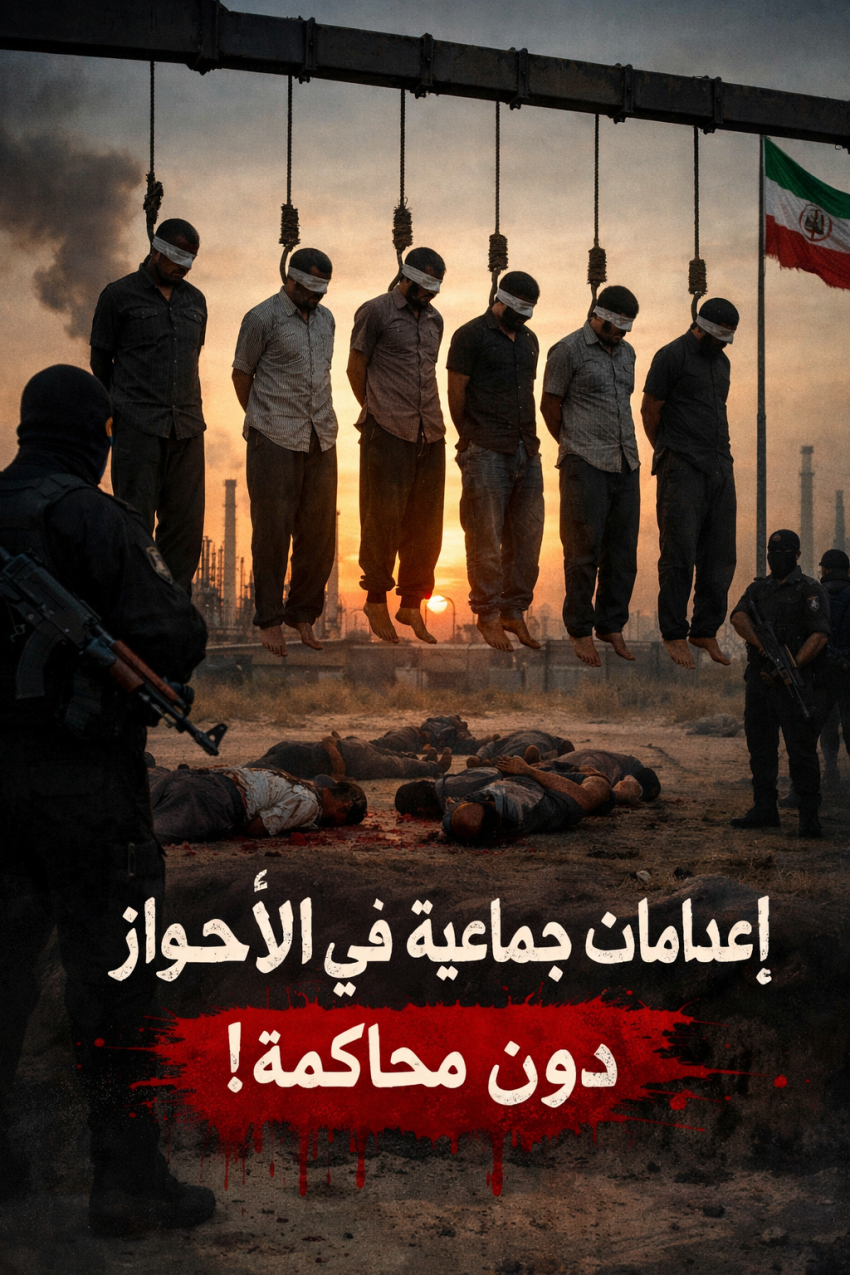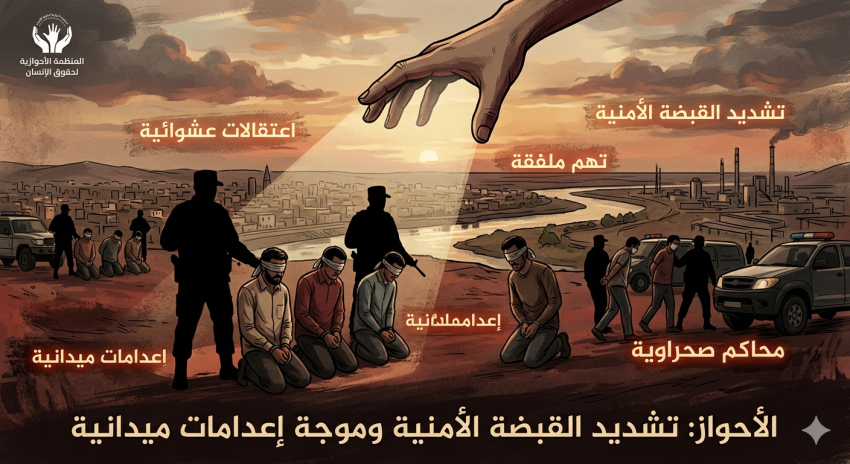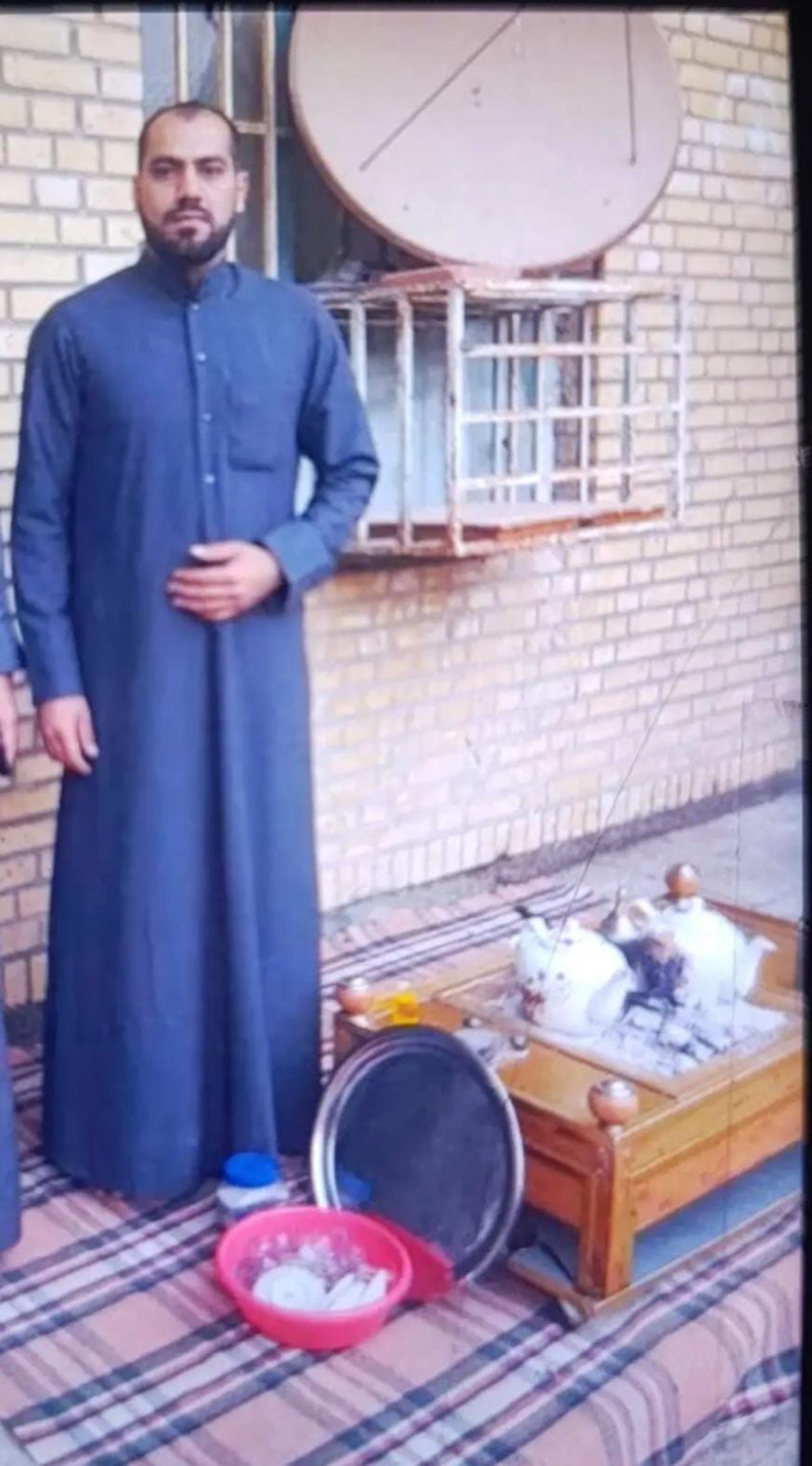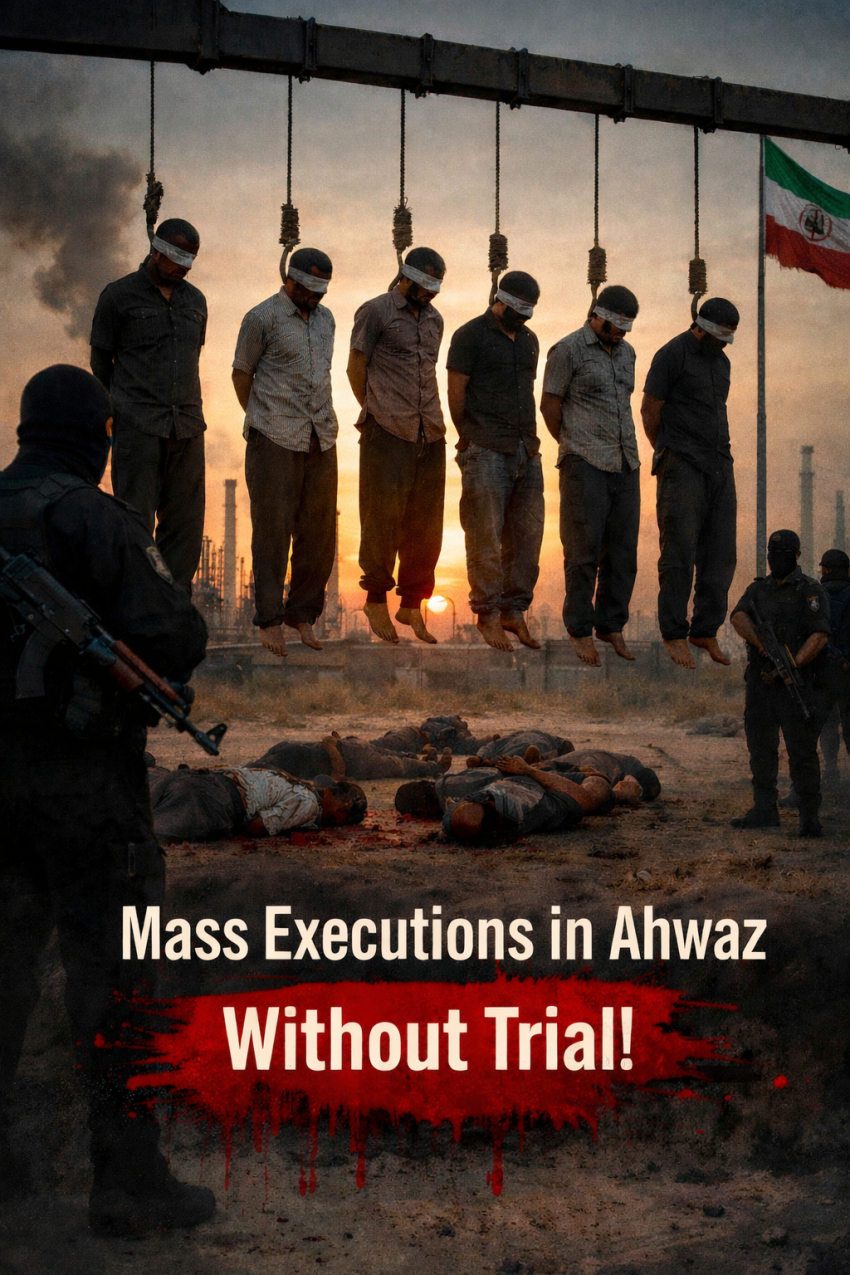


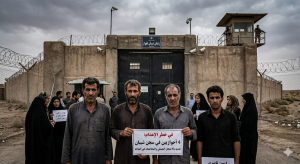
Under the Cover of Military Conflicts – The Lives of 4 Ahwazi Citizens in Imminent Danger Amid Secret and Summary Trials
حزيران/يونيو 09, 2026Based on documented reports received from Ahwazi field sources and reliable human rights monitors, the Alahwazi Organization for Human Rights (A.O.H.R.) expresses its profound and deep concern for the lives of four citizens of the Ahwazi Arab people. They were arbitrarily arrested on March 3, 2026, by Iranian security agencies, coinciding with a period of military escalation and confrontations between Iran on one side, and Israel and the United States on the other.
Up to the moment of drafting this statement, sources have been able to document the identities of three of the four detainees, all of whom are residents of the "Qal'at Kanaan" area in the capital city of Ahwaz. They are:
-
Bahador Zarqani (39 years old): Son of Khodair, married and a father of three children. He is a well-known and respected social figure in his area, recognized for managing a local center aimed at rehabilitating and helping youth recover from addiction.
-
Mansour Nasseri (40 years old): Son of Hadi, married and a father of four children.
-
Amin Nasseri.
The organization stresses that the Iranian judicial and security authorities are imposing an absolute blackout on this case. Families are barred from knowing the whereabouts of their sons or the charges leveled against them, amid a complete deprivation of the right to retain independent legal counsel.
Families and human rights groups fear that this group will face the same tragic fate as the Ahwazi detainee "Mojtaba Kayan," who was executed secretly and hastily without notifying his family, less than 50 days after his arrest during the wartime period. This reveals an unprecedented and accelerated pace in executing retaliatory sentences under the cover of military decrees.
Reliable sources close to the organization indicate that under such circumstances, the security apparatus deliberately manufactures broad and pre-packaged charges such as "espionage for the Mossad or the CIA," "intelligence cooperation with the enemy," and "enmity against God" (Moharebeh). These are charges for which confessions are extracted under brutal torture in the intelligence agency's solitary confinement cells.
Furthermore, the judicial authorities are exploiting the state of war and the new law known as "Tashdid-e Mojazat-e Jasusi" (Aggravation of Espionage Punishments) to accelerate trial procedures and rush the ratification of death sentences by the Supreme Court without any proper legal scrutiny, aiming to:
-
Demonstrate power and enforce domestic deterrence.
-
Terrorize the Ahwazi street and suppress dissidents.
The Alahwazi Organization for Human Rights (A.O.H.R.) reminds the international community that these practices constitute a grave breach of international conventions:
-
Articles 9 and 14 of the International Covenant on Civil and Political Rights (ICCPR): Which explicitly prohibit enforced disappearance and arbitrary arrest, and mandate the provision of a fair and public trial along with defense guarantees.
-
Issuing and executing death sentences based on confessions extracted under psychological and physical torture falls under the classification of extrajudicial executions and constitutes a crime against humanity.
The organization urgently demands the UN High Commissioner for Human Rights and the UN Special Rapporteur on the situation of human rights in Iran to take immediate action and pressure Tehran to reveal the fate of these four detainees, and to halt the train of summary executions being carried out behind the curtain of regional conflicts.
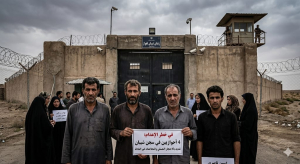
Unter dem Deckmantel militärischer Konflikte – Das Leben von vier ahwasischen Bürgern ist durch geheime und beschleunigte Prozesse in akuter Gefahr
حزيران/يونيو 09, 2026Der Ahwazische Verein für Menschenrechte e.V. äußert auf der Grundlage dokumentierter Berichte, die er von ahwasischen Quellen vor Ort und verlässlichen Menschenrechtsquellen erhalten hat, seine tiefe und ernsthafte Besorgnis um das Leben von vier Bürgern des arabischen Volkes von Ahwas. Diese wurden am 3. März 2026 von den iranischen Sicherheitsbehörden willkürlich festgenommen – zeitgleich mit der militärischen Eskalation und den Konfrontationen zwischen Iran auf der einen Seite sowie Israel und den Vereinigten Staaten auf der anderen Seite.
Bis zum Zeitpunkt der Erstellung dieser Mitteilung konnten die Quellen die Identität von drei der vier Festgenommenen dokumentieren, die alle in der Region „Qal'at Kanaan“ in der Hauptstadt Ahwas leben. Es handelt sich um:
-
Bahador Zarqani (39 Jahre): Sohn von Khodair, verheiratet und Vater von drei Kindern. Er ist eine bekannte und angesehene Persönlichkeit in seiner Region, da er ein lokales Zentrum zur Rehabilitation und Unterstützung von Jugendlichen bei der Suchtbewältigung leitet.
-
Mansour Nasseri (40 Jahre): Sohn von Hadi, verheiratet und Vater von vier Kindern.
-
Amin Nasseri.
Der Verein betont, dass die iranischen Justiz- und Sicherheitsbehörden eine absolute Nachrichtensperre über diesen Fall verhängt haben. Den Familien wird das Recht verweigert, den Aufenthaltsort ihrer Söhne oder die gegen sie erhobenen Vorwürfe zu erfahren, einhergehend mit dem völligen Entzug des Rechts, unabhängige Anwälte einzuschalten.
Die Familien und Menschenrechtsorganisationen befürchten, dass dieser Gruppe das gleiche tragische Schicksal droht wie dem ahwasischen Gefangenen „Mojtaba Kayan“. Dieser wurde heimlich und in aller Eile hingerichtet, ohne dass seine Familie benachrichtigt wurde – weniger als 50 Tage nach seiner Festnahme während der Kriegsperiode. Dies verdeutlicht ein beispielloses und beschleunigtes Tempo bei der Vollstreckung von Vergeltungsurteilen unter dem Deckmantel militärischer Dekrete.
Verlässliche Quellen des Vereins weisen darauf hin, dass die Sicherheitsbehörden unter solchen Umständen bewusst vage und vorgefertigte Anschuldigungen erheben, wie „Spionage für den Mossad oder die CIA“, „nachrichtendienstliche Zusammenarbeit mit dem Feind“ und „Feindschaft gegen Gott“ (Moharebeh). Dies sind Vorwürfe, deren Geständnisse unter schwerer Folter in den Isolationszellen des Geheimdienstes erpresst werden.
Die Justizbehörden nutzen den Kriegszustand und das neue Gesetz namens „Tashdid-e Mojazat-e Jasusi“ (Verschärfung der Spionage-Strafen), um die Gerichtsverfahren und die Bestätigung von Todesurteilen durch den Obersten Gerichtshof ohne jegliche rechtliche Prüfung zu beschleunigen. Die Ziele dahinter sind:
-
Demonstration von Stärke und Durchsetzung interner Abschreckung.
-
Einschüchterung der ahwasischen Bevölkerung und Unterdrückung von Regimegegnern.
Der Ahwazische Verein für Menschenrechte e.V. erinnert die internationale Gemeinschaft daran, dass diese Praktiken einen schwerwiegenden Verstoß gegen internationale Abkommen darstellen:
-
Artikel 9 und Artikel 14 des Internationalen Pakts über bürgerliche und politische Rechte (IPBPR): Diese verbieten ausdrücklich das erzwungene Verschwindenlassen sowie willkürliche Festnahmen und verpflichten zur Gewährleistung eines fairen, öffentlichen Verfahrens und von Verteidigungsgarantien.
-
Das Verhängen und Vollstrecken von Todesurteilen auf der Grundlage von Geständnissen, die unter psychischer und physischer Folter erpresst wurden, fällt unter die Kategorie der außergerichtlichen Hinrichtungen und stellt ein Verbrechen gegen die Menschlichkeit dar.
Der Verein fordert den Hohen Kommissar der Vereinten Nationen für Menschenrechte und den UN-Sonderberichterstatter für die Situation der Menschenrechte in Iran dringend auf, sofort zu handeln und Druck auf Teheran auszuüben, um das Schicksal dieser vier Festgenommenen aufzuklären und den Zug der Schnellhinrichtungen zu stoppen, die hinter dem Vorhang regionaler Konflikte vollzogen werden.
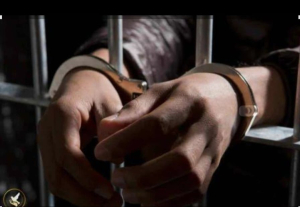
Appeals Court in Ahwaz Upholds Two-Year Prison Sentence Against Citizen Mohammad Asadi
حزيران/يونيو 09, 2026The Alahwazi Organization for Human Rights (A.O.H.R.) views with grave concern the continuous persecution of Ahwazi citizens by the Iranian authorities over expressing their opinions and participating in popular protests. In this context, reports indicate that the 16th Branch of the Appeals Court in Ahwaz has issued its final ruling against the detainee, Mohammad Asadi, who is currently held in the central "Sheiban" Prison.
The court ruled to uphold the two-year discretionary (Ta'zir) prison sentence against Mr. Asadi on charges of "disrupting public order"—the accusation on which the authorities based his arrest since Wednesday, January 14, 2026.
Although the supplementary penalties previously imposed by the Revolutionary Court (First Branch) in the initial ruling—which included a two-year travel ban and a requirement to periodically report to the "Promotion of Virtue and Prevention of Vice" institution—were annulled, the Alahwazi Organization for Human Rights (A.O.H.R.) considers the continuation of Mr. Asadi's two-year imprisonment an entirely arbitrary measure that completely lacks fair legal justification.
International Legal Violations
The organization stresses that the trial of Mr. Mohammad Asadi falls within a pattern of systematic violations aimed at suppressing public freedoms. Political trials in Iran consistently lack the international standards of justice stipulated in the International Covenant on Civil and Political Rights (ICCPR), most notably:
-
The Right to Liberty and Security of Person (Article 9): Which prohibits arbitrary arrest and guarantees everyone the right to liberty and protection against detention without a clear legal basis.
-
The Right to a Fair and Public Trial (Article 14): Trials in cases of freedom of expression are conducted in Iran amid a total absence of transparency, where verdicts are frequently built upon vague charges used as a political tool to terrorize citizens.
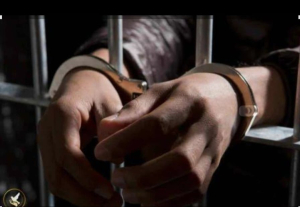
Berufungsgericht in Ahwas bestätigt zweijährige Haftstrafe gegen den Bürger Mohammad Asadi
حزيران/يونيو 09, 2026Der Ahwazische Verein für Menschenrechte e.V. verfolgt mit großer Besorgnis die anhaltende Verfolgung ahwasischer Bürger durch die iranischen Behörden aufgrund freier Meinungsäußerung und der Teilnahme an Volksprotesten. In diesem Zusammenhang berichten vorliegende Informationen, dass die 16. Kammer des Berufungsgerichts in Ahwas ihr rechtskräftiges Urteil gegen den Gefangenen Mohammad Asadi gefällt hat, der derzeit im Zentrallabor des „Sheiban“-Gefängnisses inhaftiert ist.
Das Gericht entschied, die zweijährige tazir-Haftstrafe gegen Herrn Asadi wegen des Vorwurfs der „Störung der öffentlichen Ordnung“ zu bestätigen. Auf diesen Vorwurf stützten sich die Behörden bei seiner Festnahme seit Mittwoch, dem 14. Januar 2026.
Obwohl die vom Revolutionsgericht (Erste Kammer) im erstinstanzlichen Urteil verhängten Zusatzstrafen – die ein zweijähriges Ausreiseverbot und die Verpflichtung zu regelmäßigen Meldungen bei der Institution „Das Gebieten des Rechten und das Verbieten des Verwerflichen“ umfassten – aufgehoben wurden, betrachtet der Ahwazische Verein für Menschenrechte e.V. die Fortsetzung der zweijährigen Haft von Herrn Asadi als eine rein willkürliche Maßnahme, der es an jeglicher gerechten rechtlichen Grundlage fehlt.
Völkerrechtliche Einordnung
Der Verein betont, dass der Prozess gegen Herrn Mohammad Asadi Teil einer Reihe von Menschenrechtsverletzungen ist, die auf die Unterdrückung der öffentlichen Freiheiten abzielen. Politische Prozesse in Iran entbehren systematisch der internationalen Standards für Gerechtigkeit, die im Internationalen Pakt über bürgerliche und politische Rechte (IPBPR) verankert sind, insbesondere:
-
Das Recht auf Freiheit und persönliche Sicherheit (Artikel 9): Dieses Gesetz verbietet willkürliche Festnahmen und garantiert jedem Menschen das Recht auf Freiheit sowie den Schutz davor, ohne klare gesetzliche Grundlage inhaftiert zu werden.
-
Das Recht auf ein faires und öffentliches Verfahren (Artikel 14): Prozesse in Fällen von Meinungsäußerungen werden in Iran unter völligem Ausschluss der Transparenz geführt, und die Urteile basieren oft auf vagen Anschuldigungen, die als politisches Instrument zur Einschüchterung der Bürger genutzt werden.
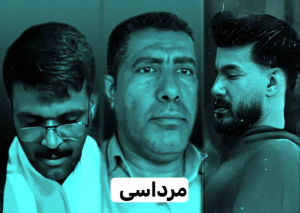
Iranian Supreme Court Upholds Unjust Death Sentences Against Three Ahwazi Activists, Including Teacher Alireza Mardasi
حزيران/يونيو 09, 2026The Alahwazi Organization for Human Rights (A.O.H.R.) has learned that the Iranian Supreme Court recently upheld the death sentences issued against three Ahwazi political detainees held in "Sheiban" Prison in the city of Ahwaz. This dangerous new escalation reflects the continuation of the systematic policy of repression and political trials completely lacking the minimum standards of justice. The detainees are:
-
Alireza Mardasi (Hamidawi) – Teacher and cultural activist.
-
Masoud Jamei.
-
Farshad Etemadifar.
The confirmation of the death sentence against the educator Alireza Mardasi (Hamidawi), who spent long years of his life serving the educational sector, has sparked a massive wave of condemnation and anger within cultural, educational, and social circles, as this ruling represents a direct targeting of the intellectual and educational elite.
Previously, the First Branch of the Revolutionary Court in Ahwaz, presided over by Judge "Adibi Mehr," had sentenced Mr. Mardasi to a double death penalty in addition to one year in prison, based on broad, politicized, and prefabricated charges including: "Corruption on Earth" (Mfsad fil-Arz), "Membership in anti-regime groups" (Baghi), and "Propaganda against the regime."
Legal Dimension of the Sentences Under International Law
The Alahwazi Organization for Human Rights (A.O.H.R.) emphasizes that these sentences issued and upheld by the Iranian judiciary constitute a blatant and grave violation of international covenants and treaties ratified by Iran, which are legally binding upon it, specifically:
-
Violation of the Right to Life (Article 6 of the International Covenant on Civil and Political Rights - ICCPR): Which states: "No one shall be arbitrarily deprived of his life." UN human rights committees confirm that imposing the death penalty following unfair trials or based on broad political charges such as "Corruption on Earth" is an arbitrary deprivation of the right to life that amounts to an extrajudicial execution.
-
Deprivation of a Fair Trial (Article 14 of the ICCPR): Which guarantees everyone the right to a public and fair hearing by a competent, independent, and impartial tribunal. The absence of independent lawyers, the use of vague charges, and secret trials behind closed doors in Revolutionary Courts deal a fatal blow to this article.
-
The Right to Freedom of Opinion and Expression (Article 19 of the ICCPR): Levents charges of "Propaganda against the regime" against the educator Alireza Mardasi and his colleagues is a direct violation of individuals' right to express their political and cultural views without fear of prosecution or physical liquidation.
-
Prohibition of Torture and Coerced Confessions (Article 7 of the ICCPR): Which clearly prohibits subjecting anyone to torture or cruel and degrading treatment. The rulings of Revolutionary Courts in Iran are frequently built upon "confessions" extracted under psychological and physical pressure in solitary confinement cells, which invalidates the international legitimacy of any judicial verdict.
The Organization's Demands
The Alahwazi Organization for Human Rights (A.O.H.R.), while condemning these repressive and unjust sentences in the strongest possible terms, underscores the following:
-
The trials to which the three detainees were subjected glaringly lacked the standards of a fair trial and took place while they were deprived of basic legal rights and independent defense.
-
The organization calls upon the international community, the UN Special Rapporteur on the situation of human rights in Iran, and global human rights organizations to intervene immediately and exert urgent pressure on the Iranian authorities to halt the execution of these unjust sentences and to annul them unconditionally.
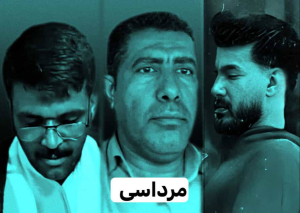
Oberster Gerichtshof Irans bestätigt unrechte Todesurteile gegen drei ahwasische Aktivisten, darunter der Lehrer Alireza Mardasi
حزيران/يونيو 09, 2026Der Ahwazische Verein für Menschenrechte e.V. hat erfahren, dass der Oberste Gerichtshof Irans vor Kurzem die Todesurteile gegen drei ahwasische politische Gefangene bestätigt hat, die im „Sheiban“-Gefängnis in der Stadt Ahwas inhaftiert sind. Dieser erneute Eskalationsschritt spiegelt die Fortsetzung der systematischen Unterdrückungspolitik und der politischen Prozesse wider, denen jegliche Mindeststandards an Gerechtigkeit fehlen. Bei den Verurteilten handelt es sich um:
-
Alireza Mardasi (Hamidawi) – Lehrer und Kulturaktivist.
-
Masoud Jamei.
-
Farshad Etemadifar.
Die Bestätigung des Todesurteils gegen den Lehrer Alireza Mardasi (Hamidawi), der viele Jahre seines Lebens im Bildungs- und Erziehungswesen verbracht hat, löste in Kultur-, Bildungs- und Gesellschaftskreisen eine Welle der Empörung und des heftigen Protests aus. Dieses Urteil stellt einen direkten Angriff auf die intellektuelle und pädagogische Elite dar.
Zuvor hatte die Erste Kammer des Revolutionsgerichts in Ahwas unter dem Vorsitz von Richter „Adibi Mehr“ Herrn Mardasi wegen vager und politisierter Standardvorwürfe wie „Verderben auf Erden“ (Mfsad fil-Arz), „Mitgliedschaft in systemfeindlichen Gruppen“ (Baghi) und „Propaganda gegen das System“ zu einer zweifachen Todesstrafe sowie zu einem Jahr Gefängnis verurteilt.
Völkerrechtliche Einordnung der Urteile
Der Ahwazische Verein für Menschenrechte e.V. betont, dass diese von der iranischen Justiz erlassenen und bestätigten Urteile einen eklatanten und schwerwiegenden Verstoß gegen die von Iran ratifizierten und somit völkerrechtlich bindenden internationalen Abkommen darstellen, insbesondere:
-
Verletzung des Rechts auf Leben (Artikel 6 des Internationalen Pakts über bürgerliche und politische Rechte - IPBPR): Dieser Artikel besagt: „Niemand darf willkürlich seines Lebens beraubt werden.“ Die UN-Menschenrechtsausschüsse betonen, dass die Verhängung der Todesstrafe nach unfairen Prozessen oder auf der Grundlage vager politischer Anschuldigungen wie „Verderben auf Erden“ eine willkürliche Beraubung des Rechts auf Leben darstellt, was einer außergerichtlichen Hinrichtung gleichkommt.
-
Verweigerung eines fairen Verfahrens (Artikel 14 des IPBPR): Dieser Artikel garantiert jedem Einzelnen das Recht auf ein öffentliches und faires Verfahren vor einem zuständigen, unabhängigen und unparteiischen Gericht. Das Fehlen unabhängiger Anwälte, die Verwendung vager Anklagepunkte und Geheimprozesse hinter verschlossenen Türen vor den Revolutionsgerichten verletzen diesen Artikel im Kern.
-
Das Recht auf Meinungs- und Redefreiheit (Artikel 19 des IPBPR): Die Erhebung des Vorwurfs der „Propaganda gegen das System“ gegen den Pädagogen Alireza Mardasi und seine Kollegen ist eine direkte Verletzung des Rechts von Einzelpersonen, ihre politischen und kulturellen Ansichten zu äußern, ohne Repressalien oder physische Liquidation befürchten zu müssen.
-
Verbot von Folter und erzwungenen Geständnissen (Artikel 7 des IPBPR): Dieser Artikel verbietet ausdrücklich, jemanden der Folter oder grausamer und erniedrigender Behandlung zu unterziehen. Die Urteile der Revolutionsgerichte in Iran basieren jedoch häufig auf „Geständnissen“, die unter physischem und psychischem Druck in Isolationshaft erpresst werden, was die Legitimität jedes Gerichtsurteils auf internationaler Ebene aufhebt.
Forderungen des Vereins
Der Ahwazische Verein für Menschenrechte e.V. verurteilt diese repressiven und ungerechten Urteile aufs Schärfste und stellt Folgendes klar:
-
Den Prozessen, denen die drei Gefangenen unterzogen wurden, fehlte es in eklatanter Weise an den Standards für ein faires Verfahren; sie fanden unter dem Entzug grundlegender gesetzlicher Rechte und einer unabhängigen Verteidigung statt.
-
Der Verein fordert die internationale Gemeinschaft, den UN-Sonderberichterstatter für die Menschenrechtssituation in Iran sowie weltweite Menschenrechtsorganisationen auf, sofort einzugreifen und dringenden Druck auf die iranischen Behörden auszuüben, um die Vollstreckung dieser ungerechten Urteile zu stoppen und sie bedingungslos aufzuheben.
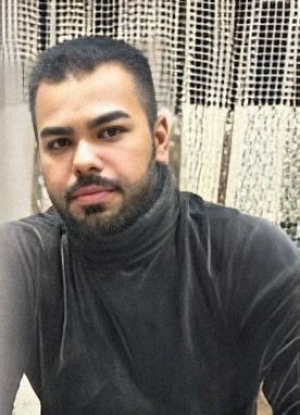
Iranian Occupation Authorities Officially Notify Ahwazi Activist "Hassan Moslawi" of His Final Death Sentence in Sheiban Prison
حزيران/يونيو 09, 2026Reliable Ahwazi sources have informed the Alahwazi Organization for Human Rights (A.O.H.R.) that the Iranian occupation authorities officially notified the Ahwazi civil and cultural activist, Hassan Moslawi (Al-Tarfi), 38, of his final death sentence in Sheiban Prison in the city of Ahwaz in June 2026, following its definitive upholding by the Iranian Supreme Court.
This arbitrary measure against Moslawi, who has been detained since 2022, raises the alarm once again regarding the fate of Ahwazi activists in occupation prisons, especially as he was notified of the final verdict two years after the initial sentence was issued.
Details of an Unjust Trial and Fabricated Charges
These dangerous developments come after a judicial process entirely lacking the minimum standards of international justice. According to sources, the details of prisoner Hassan Moslawi's case are as follows:
-
Arrest and Initial Verdict: Moslawi was arrested in 2022 by Iranian security forces. In August 2023, the First Branch of the Revolutionary Court in the city of "Mashoor" (Mahshahr), presided over by Judge Mehran Mehman-Navaz, sentenced him to death in absentia on trumped-up charges, including "Enmity against God" (Moharebeh) and "Membership in organizations opposed to the Islamic Republic."
-
Verdict Confirmation and Delayed Notification: In March 2025, the 39th Branch of the Iranian Supreme Court upheld the death sentence verbatim. However, the occupation authorities deliberately delayed officially notifying him until the current month of June 2026.
A Long History of Security Persecution
It is worth noting that the prisoner, Hassan Moslawi, a native of the village of "Moslawiyeh" in Muhammarah (Khorramshahr) county, has a long history of persecution and arrests due to his cultural and civil activism. In 2019, he was arrested alongside a number of cultural activists. In that case, the 13th Branch of the Revolutionary Court in Ahwaz, presided over by Judge Mehdi Shahin, leveled charges against him including propaganda against the regime, insulting Khamenei, establishing and joining illegal groups to disrupt national security, and participating in protests. Although the court had set a bail of 300 million Tomans for his temporary release, the Iranian security agencies blocked his release, keeping the civil activist in legal limbo and arbitrary detention for over 10 months.
The Organization's Position: The Alahwazi Organization for Human Rights (A.O.H.R.) condemns in the strongest possible terms this unjust verdict and the farcical judicial trials practiced by the Iranian regime to terrorize the Ahwazi Arab people and liquidate their cultural and civil elite. We urgently call upon the international community and global human rights organizations to intervene immediately to pressure Tehran to halt the execution of Hassan Moslawi and all political prisoners.
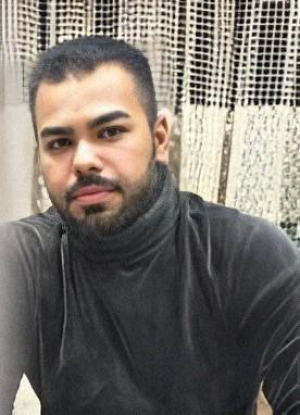
Iranische Besatzungsbehörden informieren den ahwasischen Aktivisten „Hassan Moslawi“ im Sheiban-Gefängnis offiziell über sein Todesurteil
حزيران/يونيو 09, 2026Zuverlässige ahwasische Quellen haben dem Ahwasischen Verein für Menschenrechte e.V. mitgeteilt, dass die iranischen Besatzungsbehörden im laufenden Monat Juni 2026 den 38-jährigen ahwasischen Zivil- und Kulturaktivisten Hassan Moslawi (Al-Tarfi) im Sheiban-Gefängnis in der Stadt Ahwas offiziell über sein endgültiges Todesurteil informiert haben. Dies geschah, nachdem das Urteil vom Obersten Gerichtshof Irans letztinstanzlich bestätigt wurde.
Diese willkürliche Maßnahme gegen Moslawi, der sich seit 2022 in Haft befindet, lässt erneut die Alarmglocken schrillen, was das Schicksal ahwasischer Aktivisten in den Gefängnissen der Besatzungsmacht angeht. Die offizielle Zustellung des endgültigen Urteils erfolgte zwei Jahre nach dem erstinstanzlichen Schuldspruch.
Details eines ungerechten Prozesses und fabrizierte Anschuldigungen
Diese gefährlichen Entwicklungen sind das Ergebnis eines Gerichtsverfahrens, dem jegliche Mindeststandards internationaler Gerechtigkeit fehlten. Die Einzelheiten des Falls des politischen Gefangenen Hassan Moslawi stellen sich laut den Quellen wie folgt dar:
-
Festnahme und erstinstanzliches Urteil: Moslawi wurde im Jahr 2022 von den iranischen Sicherheitsbehörden festgenommen. Im August 2023 verurteilte ihn die Erste Kammer des Revolutionsgerichts in der Stadt „Mashoor“ (Mahshahr) unter dem Vorsitz von Richter Mehran Mehman-Navaz in einem Abwesenheitsverfahren wegen haltloser Vorwürfe zum Tode. Die Anklage lautete unter anderem auf „Feindschaft gegen Gott“ (Moharebeh) und „Mitgliedschaft in Organisationen, die gegen die Islamische Republik oppositionell eingestellt sind“.
-
Urteilsbestätigung und verzögerte Zustellung: Im März 2025 bestätigte die 39. Kammer des Obersten Gerichtshofs Irans das Todesurteil wortgetreu. Die Besatzungsbehörden verzögerten jedoch bewusst die offizielle Benachrichtigung des Gefangenen bis zum jetzigen Monat Juni 2026.
Eine lange Historie von Sicherheitsverfolgungen
Es ist anzumerken, dass der Gefangene Hassan Moslawi, der aus dem Dorf „Moslawiyeh“ in der Provinz Muhammarah (Khorramshahr) stammt, aufgrund seines kulturellen und zivilgesellschaftlichen Engagements eine lange Geschichte von Verfolgungen und Festnahmen hinter sich hat. Im Jahr 2019 wurde er zusammen mit einer Reihe von Kulturaktivisten festgenommen. Damals warf ihm die 13. Kammer des Revolutionsgerichts in Ahwas unter dem Vorsitz von Richter Mehdi Shahin Vergehen wie Propaganda gegen das System, Beleidigung von Khamenei, Gründung von und Mitgliedschaft in illegalen Gruppen zur Störung der inneren Sicherheit sowie die Teilnahme an Protesten vor. Obwohl das Gericht damals eine Kaution von 300 Millionen Toman für seine vorläufige Freilassung festsetzte, verweigerte der iranische Geheimdienst seine Freigabe und hielt den Aktivisten mehr als 10 Monate lang in einem Zustand rechtlicher Ungewissheit und willkürlicher Haft.
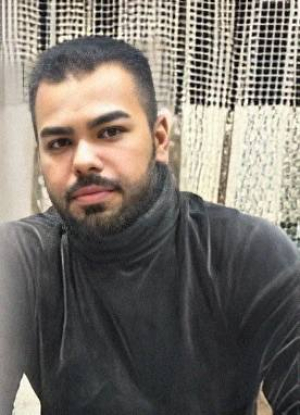
URGENT STATEMENT: Iranian Occupation Authorities Officially Notify Ahwazi Activist "Hassan Moslawi" of His Final Death Sentence in Sheiban Prison
حزيران/يونيو 08, 2026URGENT STATEMENT: Iranian Occupation Authorities Officially Notify Ahwazi Activist "Hassan Moslawi" of His Final Death Sentence in Sheiban Prison
Occupied Ahwaz – Reliable Ahwazi Sources
Reliable Ahwazi sources have informed the Alahwazi Organization for Human Rights (A.O.H.R) that the Iranian occupation authorities officially notified the Ahwazi civil and cultural activist, Hassan Moslawi (Al-Tarfi), 38, of his final death sentence in Sheiban Prison in the city of Ahwaz in June 2026, following its definitive upholding by the Iranian Supreme Court.
This arbitrary measure against Moslawi, who has been detained since 2022, raises the alarm once again regarding the fate of Ahwazi activists in occupation prisons, especially as he was notified of the final verdict two years after the initial sentence was issued.
Details of an Unjust Trial and Fabricated Charges
These dangerous developments come after a judicial process entirely lacking the minimum standards of international justice. According to sources, the details of prisoner Hassan Moslawi's case are as follows:
-
Arrest and Initial Verdict: Moslawi was arrested in 2022 by Iranian security forces. In August 2023, the First Branch of the Revolutionary Court in the city of "Mashoor" (Mahshahr), presided over by Judge Mehran Mehman-Navaz, sentenced him to death in absentia on trumped-up charges, including "Enmity against God" (Moharebeh) and "Membership in organizations opposed to the Islamic Republic."
-
Verdict Confirmation and Delayed Notification: In March 2025, the 39th Branch of the Iranian Supreme Court upheld the death sentence verbatim. However, the occupation authorities deliberately delayed officially notifying him until the current month of June 2026.
A Long History of Security Persecution
It is worth noting that the prisoner, Hassan Moslawi, a native of the village of "Moslawiyeh" in Muhammarah (Khorramshahr) county, has a long history of persecution and arrests due to his cultural and civil activism. In 2019, he was arrested alongside a number of cultural activists. In that case, the 13th Branch of the Revolutionary Court in Ahwaz, presided over by Judge Mehdi Shahin, leveled charges against him including propaganda against the regime, insulting Khamenei, establishing and joining illegal groups to disrupt national security, and participating in protests. Although the court had set a bail of 300 million Tomans for his temporary release, the Iranian security agencies blocked his release, keeping the civil activist in legal limbo and arbitrary detention for over 10 months.
The Organization's Position: The Alahwazi Organization for Human Rights (A.O.H.R) condemns in the strongest possible terms this unjust verdict and the farcical judicial trials practiced by the Iranian regime to terrorize the Ahwazi Arab people and liquidate their cultural and civil elite. We urgently call upon the international community and global human rights organizations to intervene immediately to pressure Tehran to halt the execution of Hassan Moslawi and all political prisoners.
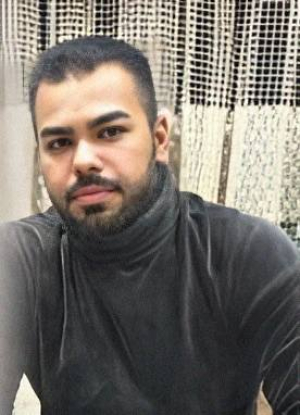
Iranische Besatzungsbehörden informieren den ahwasischen Aktivisten „Hassan Moslawi“ im Sheiban-Gefängnis offiziell über sein Todesurteil
حزيران/يونيو 08, 2026Dringende Mitteilung: Iranische Besatzungsbehörden informieren den ahwasischen Aktivisten „Hassan Moslawi“ im Sheiban-Gefängnis offiziell über sein Todesurteil
Besetztes Ahwas – Zuverlässige ahwasische Quellen
Zuverlässige ahwasische Quellen haben dem Ahwasischen Verein für Menschenrechte e.V. mitgeteilt, dass die iranischen Besatzungsbehörden im laufenden Monat Juni 2026 den 38-jährigen ahwasischen Zivil- und Kulturaktivisten Hassan Moslawi (Al-Tarfi) im Sheiban-Gefängnis in der Stadt Ahwas offiziell über sein endgültiges Todesurteil informiert haben. Dies geschah, nachdem das Urteil vom Obersten Gerichtshof Irans letztinstanzlich bestätigt wurde.
Diese willkürliche Maßnahme gegen Moslawi, der sich seit 2022 in Haft befindet, lässt erneut die Alarmglocken schrillen, was das Schicksal ahwasischer Aktivisten in den Gefängnissen der Besatzungsmacht angeht. Die offizielle Zustellung des endgültigen Urteils erfolgte zwei Jahre nach dem erstinstanzlichen Schuldspruch.
Details eines ungerechten Prozesses und fabrizierte Anschuldigungen
Diese gefährlichen Entwicklungen sind das Ergebnis eines Gerichtsverfahrens, dem jegliche Mindeststandards internationaler Gerechtigkeit fehlten. Die Einzelheiten des Falls des politischen Gefangenen Hassan Moslawi stellen sich laut den Quellen wie folgt dar:
-
Festnahme und erstinstanzliches Urteil: Moslawi wurde im Jahr 2022 von den iranischen Sicherheitsbehörden festgenommen. Im August 2023 verurteilte ihn die Erste Kammer des Revolutionsgerichts in der Stadt „Mashoor“ (Mahshahr) unter dem Vorsitz von Richter Mehran Mehman-Navaz in einem Abwesenheitsverfahren wegen haltloser Vorwürfe zum Tode. Die Anklage lautete unter anderem auf „Feindschaft gegen Gott“ (Moharebeh) und „Mitgliedschaft in Organisationen, die gegen die Islamische Republik oppositionell eingestellt sind“.
-
Urteilsbestätigung und verzögerte Zustellung: Im März 2025 bestätigte die 39. Kammer des Obersten Gerichtshofs Irans das Todesurteil wortgetreu. Die Besatzungsbehörden verzögerten jedoch bewusst die offizielle Benachrichtigung des Gefangenen bis zum jetzigen Monat Juni 2026.
Eine lange Historie von Sicherheitsverfolgungen
Es ist anzumerken, dass der Gefangene Hassan Moslawi, der aus dem Dorf „Moslawiyeh“ in der Provinz Muhammarah (Khorramshahr) stammt, aufgrund seines kulturellen und zivilgesellschaftlichen Engagements eine lange Geschichte von Verfolgungen und Festnahmen hinter sich hat. Im Jahr 2019 wurde er zusammen mit einer Reihe von Kulturaktivisten festgenommen. Damals warf ihm die 13. Kammer des Revolutionsgerichts in Ahwas unter dem Vorsitz von Richter Mehdi Shahin Vergehen wie Propaganda gegen das System, Beleidigung von Khamenei, Gründung von und Mitgliedschaft in illegalen Gruppen zur Störung der inneren Sicherheit sowie die Teilnahme an Protesten vor. Obwohl das Gericht damals eine Kaution von 300 Millionen Toman für seine vorläufige Freilassung festsetzte, verweigerte der iranische Geheimdienst seine Freigabe und hielt den Aktivisten mehr als 10 Monate lang in einem Zustand rechtlicher Ungewissheit und willkürlicher Haft.
Stellungnahme des Vereins: Der Ahwazische Verein für Menschenrechte e.V. verurteilt dieses ungerechte Urteil und die juristischen Scheinprozesse des iranischen Regimes, die darauf abzielen, das arabische Volk von Ahwas einzuschüchtern und seine kulturelle und zivile Elite zu liquidieren, aufs Schärfste. Der Verein fordert die internationale Gemeinschaft und die weltweiten Menschenrechtsorganisationen auf, unverzüglich einzugreifen, um Druck auf Teheran auszuüben, damit die Vollstreckung des Todesurteils gegen Hassan Moslawi sowie gegen alle politischen Gefangenen gestoppt wird.